Halmahera, 15 September 2026 — PT Weda Bay Nickel (WBN) continues to strengthen biodiversity monitoring across its operational areas in Halmahera, North Maluku. The initiative is aimed at ensuring that the presence of flora and fauna, as well as ecosystem conditions, can be regularly monitored as a basis for sustainable environmental management.
“Monitoring is not merely about recording data and fulfilling obligations. It provides the foundation for future management and development decisions. When monitoring identifies areas with higher biodiversity value, that information becomes an important consideration in planning biodiversity programs and environmental management initiatives, as outlined in the “Weda Bay Nickel Biodiversity Action Plan”,” said Fitri Rahmadani Ritonga, Senior Rehabilitation Superintendent of Weda Bay Nickel, during a telephone interview from Jakarta on Thursday (September 10, 2026).
Fitri emphasized that this commitment is reflected in WBN’s Biodiversity Policy, which serves as the company’s foundation for implementing sustainable operations through environmental protection, land reclamation, habitat restoration, biodiversity management, and compliance with applicable environmental regulations.
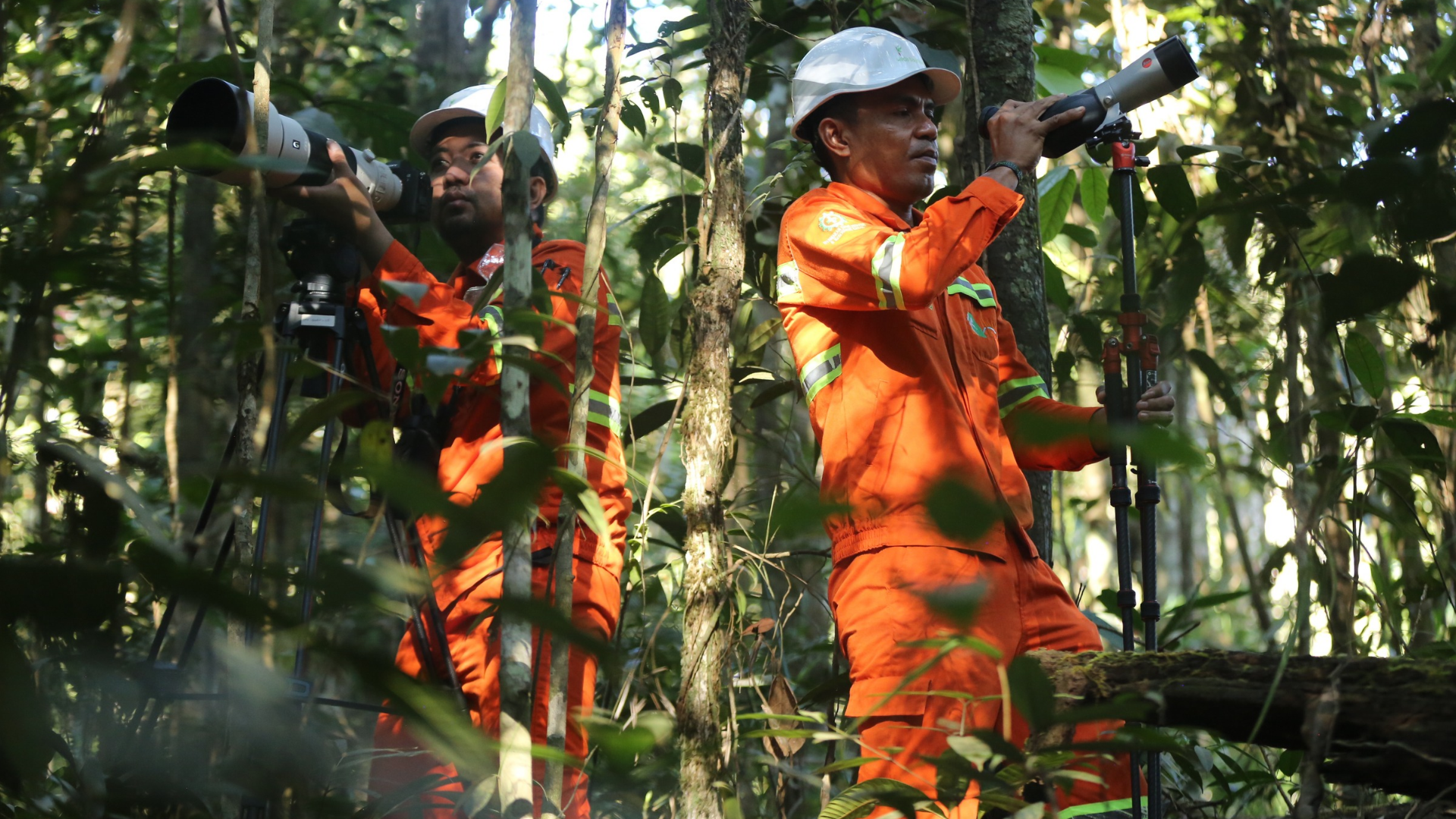
Monitoring activities combine direct field observations with the use of camera traps. Under its Biodiversity Strategy and Action Plan, WBN conducts regular monitoring, including weekly observations in areas identified as having high biodiversity value.
These efforts are further strengthened through long-term research. Species identification within the project area was initially carried out between 2001 and 2008 and was followed by additional surveys from 2010 to 2014. These studies identified biodiversity resources, provided flora data to support land reclamation efforts, and identified plant species with economic and ecological significance.
Monitoring has also been reinforced through collaboration with Khairun University. M. Natsir Tamalene, researcher and lecturer at Khairun University, explained that the joint monitoring program with WBN has been underway for approximately four years. The number of monitoring locations has expanded significantly from six sites to 40.
“Halmahera is located within the Wallacea region, a transitional biogeographical zone characterized by high levels of endemism and species with restricted geographic distributions. Therefore, repeated monitoring across multiple sites is essential to understand changes in biodiversity conditions over time, rather than capturing only a snapshot from a single period,” said Natsir.
Through these monitoring activities, researchers have verified approximately 249 plant species. Of these, 81.1 percent are categorized as common species, 8.8 percent are local endemics, 5.6 percent have distributions extending regionally to Papua, while 1.2 percent are distributed across regions reaching as far as the Philippines. In terms of habitat, around 63 percent of species were found in primary forest habitats.
For fauna, monitoring has identified 53 bird species, 28 insect species, eight mammal species, eight amphibian species, four soil fauna groups, and three reptile species. Researchers also recorded 35 trigger fauna species and 18 species protected under Indonesian law.
According to Natsir, monitoring methods are tailored to the characteristics of each fauna group. Birds are surveyed through direct sightings and vocalization recordings, while mammals are monitored using methods such as camera traps. Bats, reptiles, small mammals, and nocturnal fauna are assessed using appropriate survey techniques and trapping methods.
One notable finding from the monitoring program was the Boki Mekot Spiny Rat (Halmaheramys bokimekot), an endemic mammal of Halmahera that is also considered a key species due to its highly restricted distribution. The species was recorded through camera traps and live trapping (Sherman traps) at one of WBN’s monitoring sites. This record contributes to field data on the presence of Halmahera’s endemic fauna and forms part of the information used for habitat management within the company’s operational areas.
WBN has further strengthened its biodiversity database through a Critical Habitat Assessment (CHA), which included surveys of 146 target species classified as Critically Endangered, Endangered, Vulnerable, as well as species protected under Indonesian regulations. The assessment identified 111 species as critical habitat trigger species and served as one of the key references in the development of the company’s Biodiversity Action Plan.
Advancing Habitat Protection
Natsir explained that not all species have the same capacity to respond to changes in their habitat conditions.
“For wildlife, habitat degradation does not always allow them to relocate. Species with limited mobility that depend on ecological corridors, or roosting trees are particularly vulnerable to habitat loss and fragmentation. Likewise, plants with restricted geographic distributions or those that depend on specific habitat conditions are highly vulnerable when their habitats are lost,” he said.
The results of biodiversity monitoring and habitat assessments are used to identify areas with high biodiversity value and to support the planning of preservation areas within the company’s operational footprint.
At the operational level, wildlife protection requirements apply to all Weda Bay Nickel employees and contractors, including a strict prohibition on capturing and trading wild animals. Mitigation measures are also implemented through operational management procedures, the management of areas with high biodiversity value, and the installation of signs and information boards related to wildlife protection.
Through field monitoring, collaboration with academic partners, habitat assessments, and implementation of its Biodiversity Action Plan, WBN continues to strengthen its data-driven approach to biodiversity management.
“These efforts form part of our commitment to maintaining the ecological functions of the area while supporting environmental sustainability alongside mining operations in Halmahera,” Fitri added.