
In short
- Reclaim land progressively during mining operations, not after mining ends.
- Restore ecosystems and watersheds while prioritizing local biodiversity.
- Measure success through environmental recovery, not just hectares replanted.
Key figures 2026
On some of Weda Bay Nickel’s reclamation fronts, slopes reach gradients of 45 degrees, and rainfall can total 3,500 millimetres a year. In terrain like this, planting trees is not enough on its own, seedlings can wash away before they ever take root. So before planting begins, the team first locks down the soil: laying geomat and cocomesh across the slope face, then spraying a mix of seed and mulch through hydroseeding onto the steep, exposed ground.
That step reflects how WBN approaches reclamation as a whole: not as something that begins only when mining stops, but as progressive work carried out alongside operations. In Halmahera, this approach matters precisely because of the terrain, easily eroded lateritic soil and limited topsoil mean that every delay leads to erosion and the loss of soil that could still have been recovered.
Two Obligations, One Goal
Indonesia’s mining framework requires reclamation to be carried out throughout the mine’s life cycle. Beyond that, Weda Bay Nickel’s Forest Area Use Approval (Izin Pinjam Pakai Kawasan Hutan) carries the obligation to rehabilitate watersheds at sites designated by the government. The two are legally distinct but environmentally connected: one restores the areas directly disturbed by mining, the other returns forest cover and hydrological function across a wider landscape. Binding them together is biodiversity, guiding species selection, habitat recovery, and monitoring across both.
“The aim is not simply to replant the land, but to restore a stable and functioning landscape.”

Within Mine Site
Between 2022 and 2026, WBN recorded 288.87 hectares of operational reclamation. The process begins long before planting: reshaping the land, placing topsoil, building surface-water controls, sowing ground cover, and then trees, followed by maintenance and monitoring so that plants survive and slopes stay stable. On steep slopes and lateritic soil poor in organic matter, the team reinforces the ground with soil amelioration and erosion-control techniques such as geomat and hydroseeding.
Species are not chosen simply for fast growth. The programme prioritises local and Halmahera-endemic plants, especially those that provide food and shelter for native fauna, making biodiversity part of the reclamation design from the outset, rather than a separate workstream.
Beyond the Mine Site
Similar work extends well beyond the operational area. As part of its forest-area obligations, WBN is rehabilitating 4,140 hectares of watershed across seven locations in five regions of Halmahera. This is patient, multi-year work carried out in stages: 1,941 hectares have already been handed over to the government after passing assessment, while the rest are still moving through various stages of care, planted, maintained, protected, and formally evaluated before they can truly stand on their own.

Measured by Outcomes, not Area
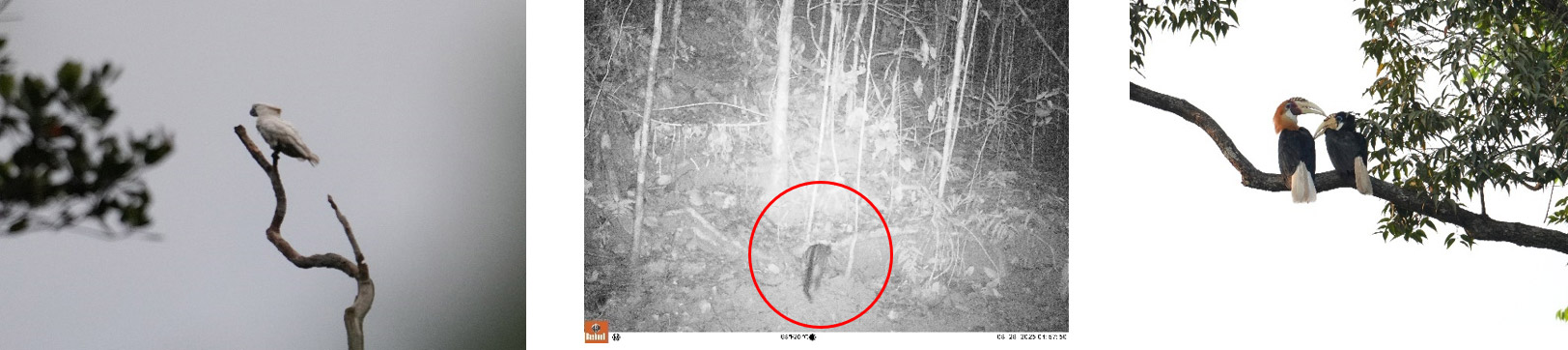
WBN recognises that the success of reclamation cannot be judged by hectares planted alone. What matters more is whether slopes are genuinely stable, erosion is under control, and habitat is slowly returning to function. That is why, since 2023, flora and fauna have been monitored every six months together with the Biodiversity Institute of Universitas Khairun, Ternate, across 40 official points throughout the Contract of Work area, not merely to catalogue species, but to track trends and recognise what still needs to improve.
The next step brings this work closer to the community, through a planned village-based tree nursery that shortens the distance seedlings travel to the field while opening economic opportunities for local residents. The direction is consistent: restore land progressively, protect watershed function, strengthen biodiversity, and keep refining how the work is done.
FAQ
No. follows a progressive reclamation approach, restoring land alongside ongoing mining operations to reduce erosion and preserve soil quality.
The company uses erosion-control techniques such as geomat, cocomesh, and hydroseeding before planting vegetation, helping stabilize slopes exposed to heavy rainfall. [Reclamatio…Bay Nickel]
Local and endemic species are prioritized to support habitat recovery and provide food and shelter for native wildlife.
Success is evaluated through outcomes such as slope stability, erosion control, and biodiversity recovery, not only by the number of hectares replanted.